.webp)
Nobody learns faster than a newborn.
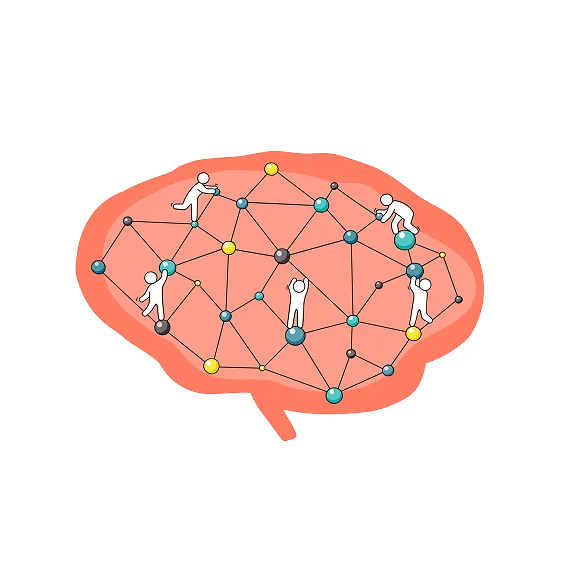
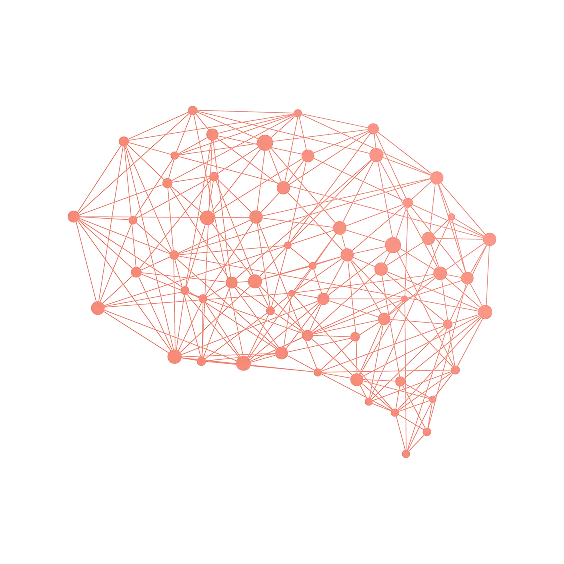
Your baby's brain is a supercomputer under development. Inside that tiny head, millions of connections are forming through everyday moments — eye contact, play, movement, curiosity, and connection. What may look simple on the surface is actually the brain learning how to learn.
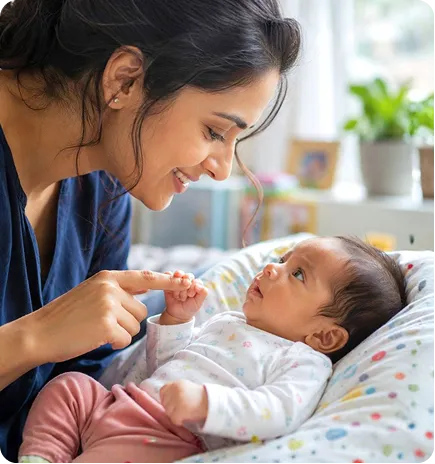
Evolution spent two million years making your baby curious. That curiosity is how a helpless newborn becomes a capable child.
Across the animal kingdom, newborns arrive ready. A foal is standing within the hour, a baby elephant walks with the herd before nightfall, sea turtles cross the sand to the ocean entirely on their own. A human baby can do none of these things, and stays dependent for years.
This helplessness is the great bargain of being human. In exchange for a body that cannot yet cope, a baby is born with the most powerful learning engine in nature: a restless, tireless curiosity. That curiosity is how a helpless newborn becomes, in just a few short years, a walking, talking, thinking child.
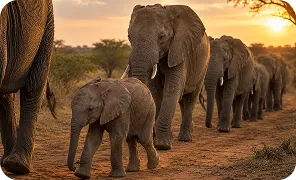
A baby elephant
Starts walking with the herd before nightfall.

Sea turtles
Cross over to the ocean immediately after birth.
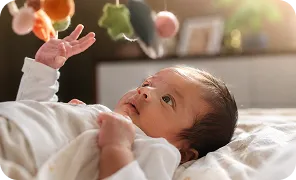
A human baby..
Born weak, helpless, vulnerable.. but with a tireless, restless curiosity to learn rapidly.
3 Processes explain why early years matter
You don’t need a neuroscience textbook to benefit from neuroscience. You only need to understand three processes that explain almost everything parents observe in the early years.
You can think of early neuroplasticity like a dry sponge placed in water.
In the early years, the brain absorbs experiences quickly. Over time, as connections stabilize and pruning begins, the brain becomes more efficient but less absorbent. Learning never stops, but early experiences tend to become the brain's default wiring and define how naturally and effortlessly new skills take root later in life.
1. Connection Building
2. Strengthen through use
3. Refinement & Pruning